Shenzhen factory visit translator guide
By Guide in Shenzhen · · 7 min read
What a factory visit translator does in Shenzhen, why yours should not be the factory's, how to brief them, and what to do when an answer sounds too short.
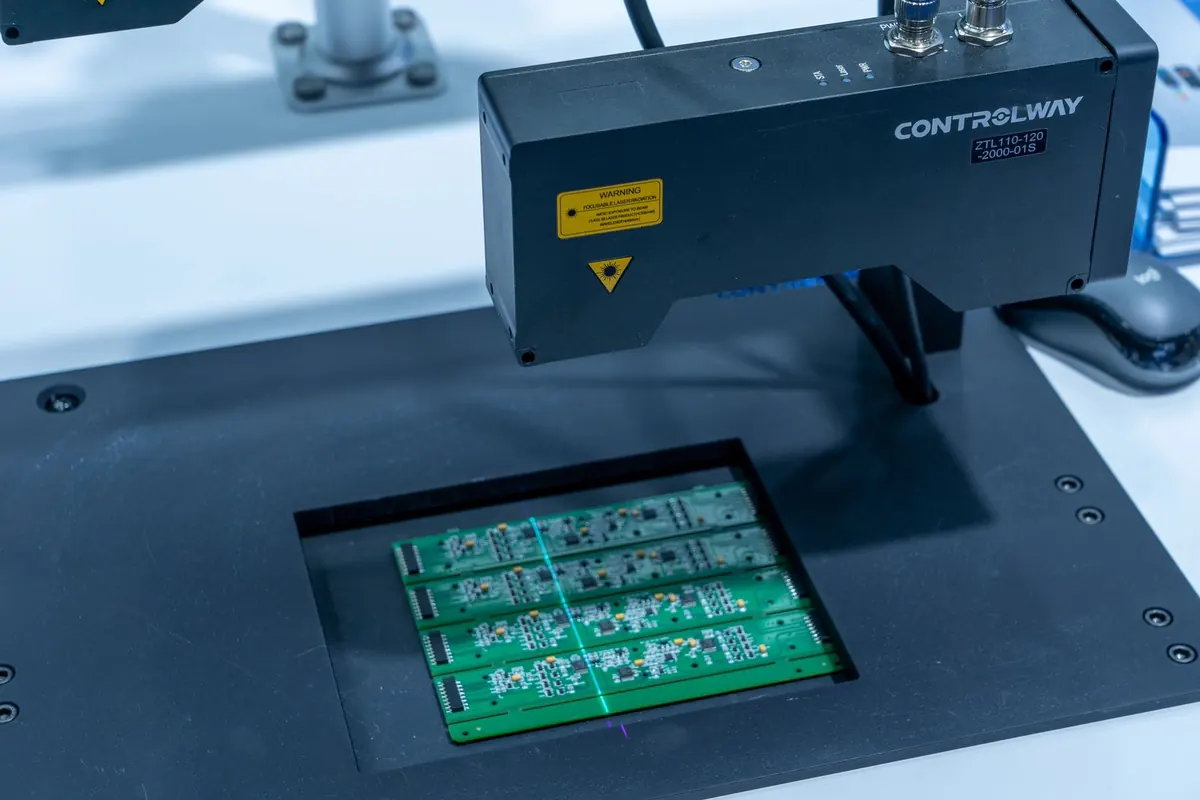
A Shenzhen factory visit translator speaks for you on the floor and in the meeting room. Hire your own, not the factory's. Send them your documents before the day, and ask for a written record at the end of it.
Strictly, the person is an interpreter, because the work is spoken. People search for translator, so this guide uses both. It covers what they do, how to prepare, the questions worth asking, and what to do when an answer sounds too short.

What a factory visit translator does in the room
Most visits run one voice at a time. You speak, you pause, and the interpreter says it in Mandarin. Then they do the same in reverse. It is slow on purpose. Nothing gets lost in the overlap.
A good one does more than talk. They read the labels on the machines, the certificates on the wall and the documents on the table, and they tell you what they say. They keep notes while you keep your eyes on the line.
A phone app can get you through a menu. WorldFirst's guide to business travel in China says apps may do for informal exchanges and are less suitable for detailed meetings. A specification is a detailed meeting.
- Mode
- One voice at a time, with a pause between
- Also does
- Reads labels, certificates and documents aloud
- Does not do
- Certified or sworn translation, or legal advice
Why your translator should not be the factory's
An interpreter the factory provides works for the factory. They may be perfectly honest. You cannot tell, and neither can they prove it. Hire your own.
Crayfish.io, an interpreter marketplace, says the same in a short note on using an interpreter in China. It advises hiring in the city you are visiting, and using one person for the whole trip to save briefing time. It sells interpreters, so weigh it accordingly. The reasoning stands on its own.
Ask any interpreter whether they take a fee from suppliers. We take none and accept none. That is in the terms of our business trip day, and it is the first question to put to anyone else.
- Hire
- Someone based in Shenzhen, briefed by you
- Avoid
- An interpreter the factory supplies
- Ask
- Whether they take any fee from suppliers
- Keep
- The same person for the whole trip
How to prepare for a factory visit in Shenzhen
Write down what you must leave knowing. Three things is enough. Tell the factory what you want to see before you arrive, so the visit is the floor and not the showroom.
Then brief your interpreter. Send the specification, the drawings, the quote or pro forma invoice, and any certificates the supplier says they hold. Send the factory's name and address in Chinese. We prepare the terminology from the documents you send ahead, so the word for your part is agreed before anyone says it.
Check one thing before you travel. The business licence should name the same company as the invoice and the email signature. If it does not, you may be talking to a trader. That is worth knowing before the car arrives.
If you are crossing from Hong Kong for the day, our Hong Kong to Shenzhen border crossing guide says which crossing suits where the factory is.
- Send ahead
- Specification, drawings, quote and claimed certificates
- Also send
- The factory's name and address in Chinese
- Check
- The licence names the company on the invoice
- Decide
- The three things you must leave knowing
Questions to ask on the factory floor
The questions are the same in any factory. The skill is the order and the follow-up. These eight come from a longer list of 24 by Renaud Anjoran of QualityInspection.org. His 24 questions for a Chinese factory visit was published in 2012, and it still holds up.
Some of them can feel blunt in Mandarin. A good interpreter softens the delivery and keeps the content.
Ask them in roughly this order.
- When did the factory start, and what was its latest investment?
- Who besides the salesperson will follow my order?
- What share of the workers came back after Chinese New Year?
- Can I watch a line making something like my product, and what does it make in a day?
- How long from materials arriving to a packed carton?
- Which parts do you make, and which do you buy in?
- Where are the incoming, in-process and final checks done, and can I see each one?
- Who are your main customers, and may I see the two latest purchase orders from one?
When the answer sounds shorter than the question
This is the part the guides skip. Watch the length. A long question that gets a short answer is worth a second look. So is the reverse. Ask the interpreter for the words that were said, not a summary of them.
A yes is not always a yes. The WorldFirst guide notes that an indirect answer like maybe can mean no. Treat maybe as no until it is written down.
Ask a key question twice. Once at the machine, and again over lunch in different words. Some guides warn that visits are scripted, and the second answer is the one the script did not cover.
Agree a signal with your interpreter beforehand. A hand on the table is enough. It means stop, say that again, and slowly.
- Ask for
- The words said, not a summary
- Repeat
- Key questions later, in different words
- Agree
- A signal that stops the room
- Treat
- Maybe as no until it is written down
Leave with the figures in writing
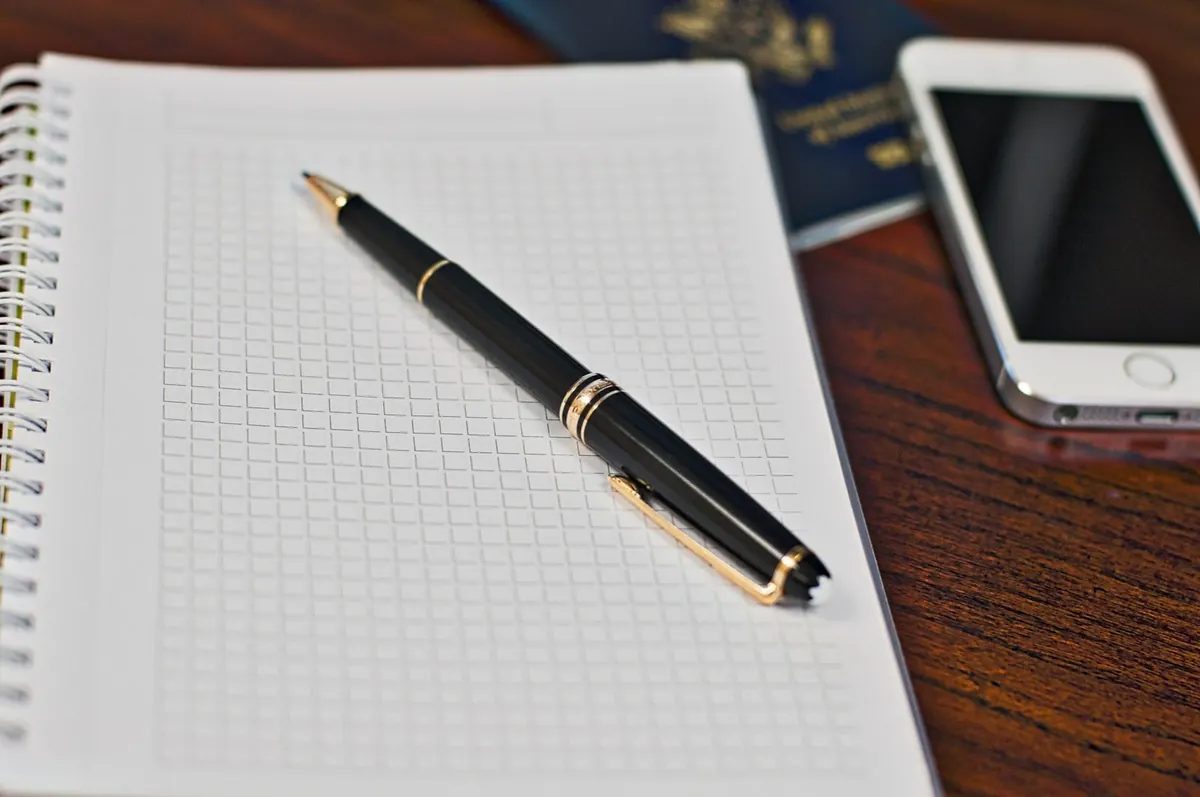
A visit is only as good as what you can check afterwards. So everything quoted or agreed is written down while it is still checkable, and the record is sent before the day is over.
It holds the figures quoted, such as daily output and lead time. It holds the names and roles of who said what. It holds what you were shown and what you were not. It holds the samples taken, labelled before they leave the room, and what was promised by when.
Ask before you photograph. Some floors allow it and some do not, and the answer is better asked once than regretted.
Booking a translator for your visit
Send us the factory's name and address in Chinese, the product, your documents and the dates. Our business trip support page says what the day covers, including a car and driver.
If the day starts at the markets, the Huaqiangbei electronics market guide covers that part. When you have the details, send them to us.
Questions people ask
- Do I need a translator for a factory visit in Shenzhen?
- Export factories often have someone who speaks English. A translator earns their place on specifications, price and anything you will sign. If a misunderstanding would cost you an order, bring your own.
- Should I use the factory's own interpreter?
- Use your own. An interpreter the factory provides works for the factory, so you cannot judge how neutral the translation is. Even when the factory has one, your own interpreter gives you an impartial check.
- What is the difference between a translator and an interpreter?
- A translator works with written text and an interpreter works with speech. A factory visit is mostly spoken, so the person you want is an interpreter who can also read a document aloud. Most people search for translator, which is why the word is used here.
- What should I send my interpreter before a factory visit?
- Send the specification, the drawings, the quote or pro forma invoice, any certificates the supplier claims, and the factory's name and address in Chinese. We prepare the terminology from these, so the key words are agreed before the day.
- Can I use a translation app on a factory visit?
- For an informal exchange, an app may be enough. WorldFirst's guide says apps are less suitable for detailed meetings. A specification, a price or a deposit is a detailed meeting.
- Do you offer certified translation in Shenzhen?
- No. We interpret and read documents aloud. Certified or sworn translation, and legal, tax or investment advice, are not part of the day.
Planning a trip around this?
Send your dates and we will tell you what the week actually looks like.